

How the Flock Do I Choose?
If you're anything like me, it's easy to succumb to analysis paralysis. Even with a lot of chicken experience, I still spend a tremendous amount of time researching what, how, and when to do things. There's as many articles as there are chickens and everyone has their own take on what works. This is not meant to be an exhaustive "how to." This is meant to help yinz not play chicken while traveling the homesteading road and quit before you even start...or worse yet, start without a plan.
Decisions, Decisions 🤔
The first and most crucial question you need to ask yourself is "why do I want chickens?" This might seem like an obvious first step but do not underestimate just how adorable those little balls of fluff are. It would be easy to impulse buy any cute little peep that chirps your way but you must RESIST THE URGE until you've thought through EXACTLY what you want and how you plan to manage them. Ask yourself, "do I want chickens for eggs, meat, both (known as dual purpose), or as pets (chickens are so hot right now)?" We raise both meat and laying chickens but we recently gained a customer looking for a more heritage style meat chicken that falls into the category of "dual purpose." My mother loved her backyard friends and didn't really care if she got many (if any) eggs at all. She was drawn to "pretty birds" (she especially loved her silkies) and they would live out their days as pampered pets. We, however, run our homestead to be cost effective and efficient. To this end, we view every purchase as an investment. We need our birds to contribute to our sustainability and we could care less what they look like. How funky is my chicken? Some are pretty funky looking 😂 Butttt they were specifically selected to meet our homesteading needs.

*** This was a happy accident purchase. These are Mystic Onyx and have very unique characteristics ***
Regardless of whether you choose chickens for food or companionship, they come at a cost. Yinz would be surprised at just how expensive it is to keep chickens and I will touch on this when I discuss eggs and meat birds.
Pecking your bird 🐤
Let's focus on laying hens for Part 1 of my chicken series (I will cover meat and dual purpose in Part 2). I am NOT an expert and do not pretend to be. We made (and continue to make) mistakes that have been pivotal in reaching cost-effective production at our hause. We are actively planning revitalization of our flock (out with the old and in with the new) and here is what we were looking for (keeping in mind our geographical location):
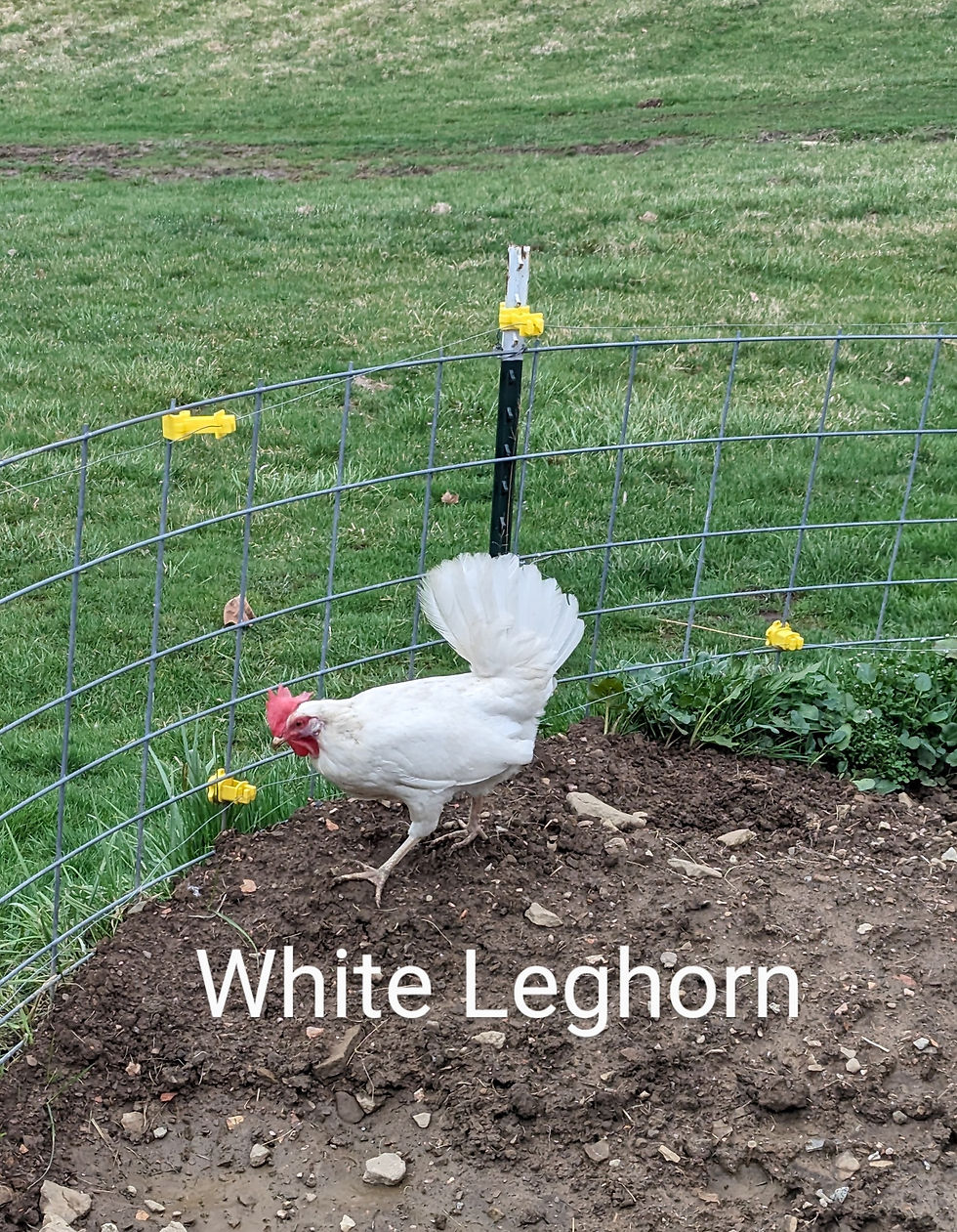
1. Efficiency: Least amount of feed and most amount of eggs. White egg layers: they are the most efficient because their energy isn't going towards making a colored shell. Who do we like? We added white leghorns last year that are quite athletic, great at foraging, eat little and produce 280-320 large white eggs a year. They have quickly flown to the top of our favorites list.
We also decided to try Austra White for our new flock. It's a cross between Black Australorp and White Leghorns. They will lay 4-6 L/XL white eggs per week. We ordered them from a local hatchery and they will arrive next week 🤗 Peep pics coming soon!
2. Egg color: Yinz ready for this myth buster??? Shell color is NOT a reflection of egg quality or how it was raised (it's what's inside that counts!)...it's determined by breed 🤯 More on this later. There's a lot of truth to you eat with your eyes first and there's nothing prettier than a rainbow of eggs. If you want to sell your eggs, throwing in some pretty green or blue ones for novelty is a real sales booster. Marketability goes like this: colored eggs > brown > white...but here's the zinger...production cost follows the same flow chart so take that into account when choosing your birds. Who do we like? Brown layer favorites: Rhode Island Red (RIR), Barred Rock, and ISA Brown (aka Red Sex Link which is a cross between (RIR and white leghorn). We have also decided to add Black Australorp to our new flock once we can source sexed females (remember our straight run debacle?). In general, all of these breeds lay L/XL brown eggs, are cold hardy, friendly, reliable layers, readily available, and chicks are affordable (dare I say cheep 😉)

Colored layer favorites: Easter Eggers are very friendly and lay 4-6 L/XL eggs per week that can range from green to blue. For a colored layer, that's about as efficient as you'll get. I also really like Olive Eggers which lay around 260 large green eggs per year. Again, a lot of bang for your cluck. Both of these breeds are readily available and chicks are affordable making them ideal for adding color to your world.

Dark (chocolate) brown layers: Popular picks are Marans and Wellsummer breeds. We have decided against these because their productivity is too low to meet our needs and I do not currently have the customers to justify the cost. If yinz select these birds, you'd need to charge a premium for the eggs to recoup your costs. If you have the market base or simply place a high personal value on egg color, these breeds won't disappoint!
Other factors we considered were potential for broodiness, how well they do in the cold (it's SW Pennsylvania...mother nature loves snow tantrums sprinkled amongst 65 degree sunny days), and friendliness. Here's our decision flow chart: efficiency > hardiness > egg color > broodiness > friendliness. Your priorities might be totally different (perhaps even in reverse of ours) and that's absolutely fine! Just start with answering question #1 and the flow chart will organically follow!
Apparently, I had a lot to say about breed pecking so I will cover peeps next week. This will also give yinz some time to think about question #1 and reach out if you need any advice. We are here to help! I'm really excited to share that we have THIRTY peeps arriving next week (that's a lot of little cluckers)! How about that for timing 😉
Join me next week to see how we set up our homemade brooder, care for day old peeps, and of course...pictures of those adorable fluff nuggets!


Great write up! Very informative. I’m excited to follow along in your journey Mel!!